
As the temperature rises, we see the return of many different creatures – including ticks. Ticks can transmit a variety of viruses and bacteria that can cause illness in humans, including Lyme Disease. But that doesn’t mean you need to stay indoors! Just follow these tips to keep your family as safe as possible while enjoying the great outdoors.
If you or your family plan on hiking or spending time in very grassy, wooded areas, you should:
- Wear light colored clothing
- Tuck pant legs into your socks
- Avoid tall grass on trails when possible
- Use an insect repellent (DEET is beneficial but repellent used on a child should contain no more than 30% DEET)

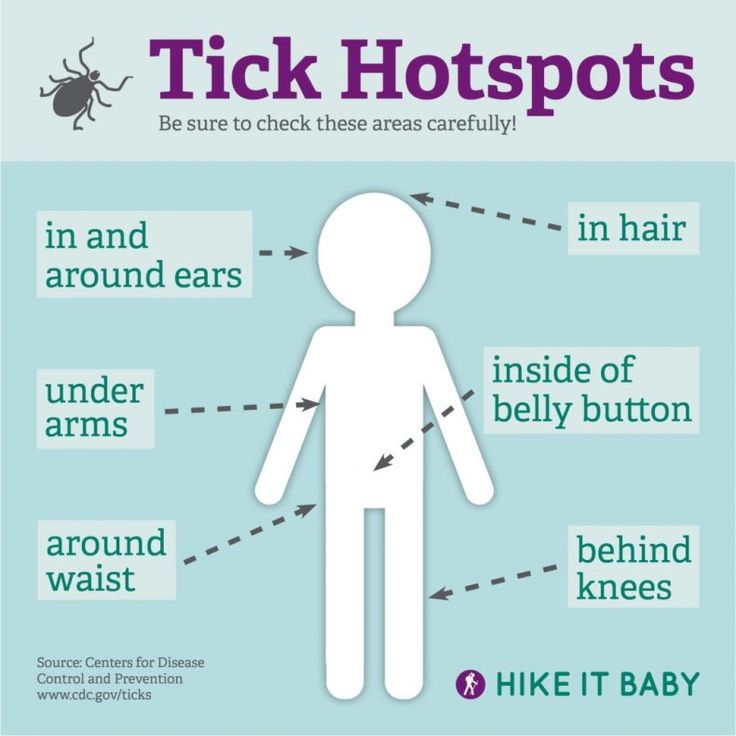
Once you are back indoors, be sure to check yourself and your child for ticks. Important areas to focus on include the hairline, armpits, groin area, behind the knees, around the waist, and in the belly button.
If you find a tick, remove it with a pair of tweezers and flush it down the toilet. Clean the area well with warm, soapy water and apply a thin layer of antibiotic ointment on the bite. Alert your pediatrician to any tick bites as a preventative antibiotic may be prescribed.
If your child ever develops joint pain, a bullseye rash (or any rash), fever, fatigue, or flu-like symptoms, and especially if you suspect exposure to a tick, please let us know. There are blood tests that can be run to rule out tickborne illnesses, and at times a diagnosis can be made based on classic symptoms alone.
We do not recommend saving a tick to send in for testing – because of the prevalence of deer ticks and Lyme Disease in our region, we treat every exposure with great caution.
As always, we are here to help with any questions or concerns you may have!
 From the Triage Desk
Leave a comment