
If you have ever had a poison ivy rash, you know how uncomfortable it can be. Fortunately, most cases of poison ivy can be treated at home. In some cases, a visit to the doctor’s office may be necessary, but understanding symptoms and preventing the spread can help many patients avoid additional interventions.
What causes the rash?
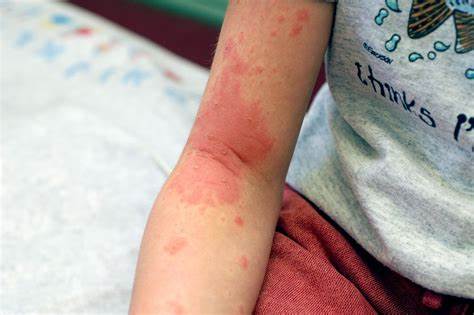
The red, itchy, sometimes blistered rash that appears after encountering poison ivy is an allergic reaction to oils found in the leaves, stems, and roots of the plant. When the oil remains on the hands, skin, and under the fingernails, it can be spread to other areas of the body.
What do I do if my child touches a poison ivy plant?
The best thing to do is to wash the area with warm, soapy water, and wash their hands very well. Cut their fingernails to ensure that no oil remains trapped underneath. If an animal in your home comes in contact with poison ivy, be sure to give them a bath to wash away oils from their fur as they can spread those oils to you or others.
My child is so itchy! How do I manage their symptoms?
Poison ivy is notorious for leaving an itchy red rash in its wake. To curb the inflammation and discomfort, we advise oatmeal or baking soda baths and an application of hydrocortisone 1% (an over-the-counter corticosteroid cream) to the affected areas. Be careful to avoid the eyes.
How long will this last?
Typically, the rash will appear 12-48 hours after exposure and can last 2-3 weeks.
How do I know if my child should see a doctor?
If the rash has spread to the face or genitals, or you are noticing significant swelling or itching that is not eased with home interventions, call us to have your child seen. On occasion, a stronger topical corticosteroid or an oral steroid will be prescribed. Additionally, if there are signs that the rash has become infected (areas that are raw, bleeding, draining, or very painful, fever, no improvement after a few weeks), please let us know.
If ever there is a concern that your child has inhaled poison ivy smoke and they are having difficulty breathing (for example, someone was burning brush and they burned poison ivy in it), please seek immediate medical assistance.
We love to be outdoors! How do I help my child avoid poison ivy?
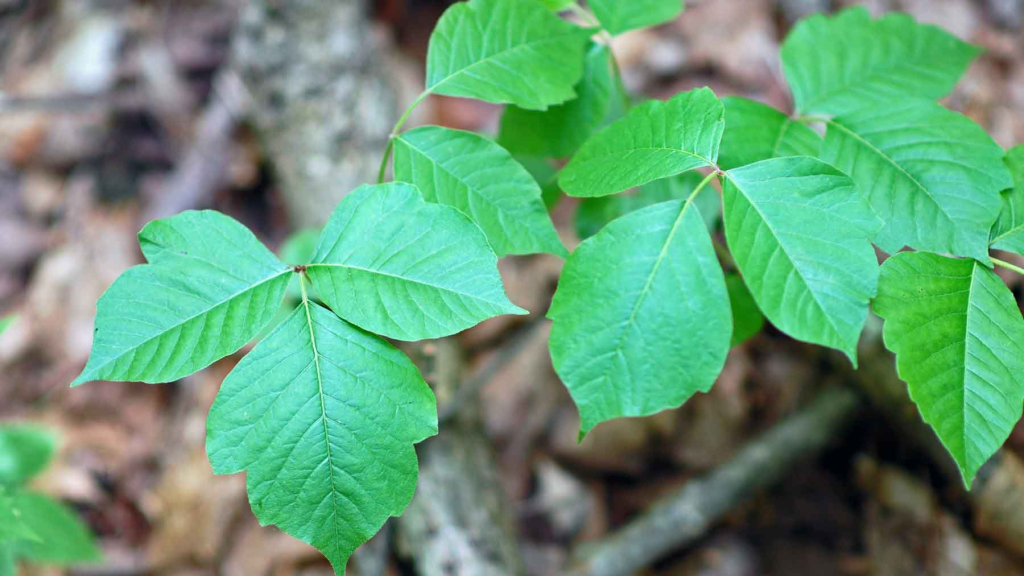
There is an old saying: “Leaves of three, leave them be!” By showing your child a picture of poison ivy and reminding them to leave it alone, you can help ensure a safe and positive experience out in nature. As always, please call us with any questions or concerns.
Sources:
 From the Triage Desk
Leave a comment