
Ahh, sweet summer. There is nothing better than a day at the beach, lake, or pool. But when you have your little ones out in the sun, be sure to remember these important sun safety tips to avoid painful sunburns, dehydration, and heat exhaustion/heat stroke.
Choosing a Sunscreen
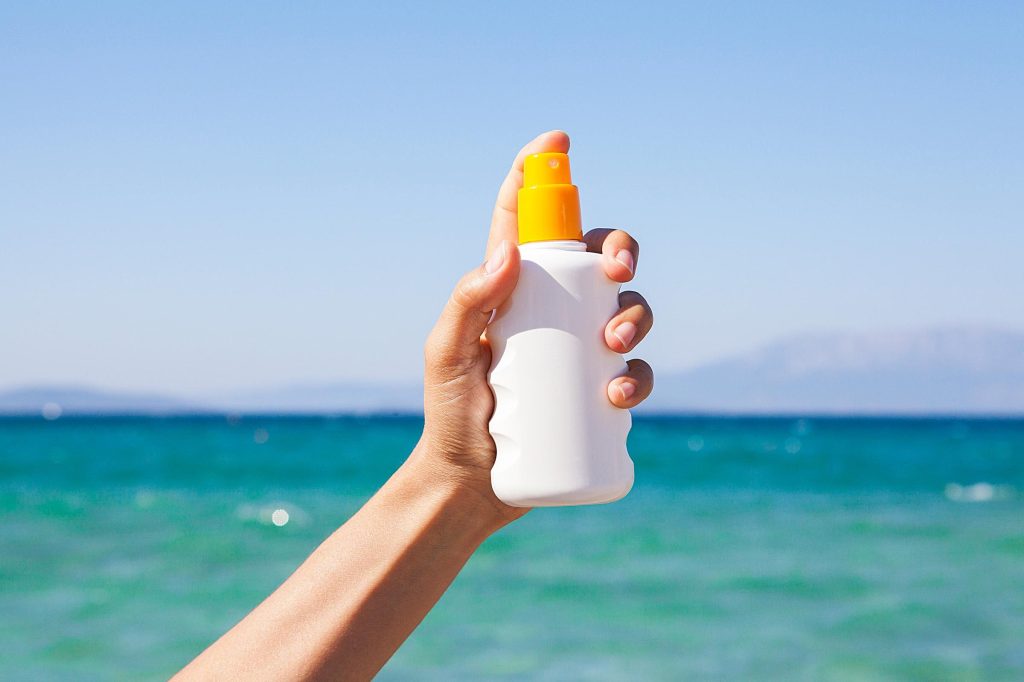
Sunscreen should contain an SPF of 30+ and is best if water-resistant. Broad spectrum sunscreen is also preferrable as it blocks out both UVA and UVB rays. If you opt for sunscreen spray over lotion, be sure to avoid getting it in your child’s eyes when applying it.
Applying Sunscreen
Sunscreen should be applied to all children 6 months of age and older at least 30 minutes before going outside. It should be reapplied every 2 hours while outdoors. Remember, even on cloudy days, UV rays can still reach you.
How to Dress
While at the beach, a rash guard top with bottoms is a great option as it protects the skin further from the sun. If your child is not in a bathing suit, light-colored, cool/loose clothing is best. A hat and sunglasses can provide additional protection and comfort. For babies under 6 months of age who cannot use sunscreen, cover as much of their skin as possible with light clothing, have them wear a sun hat, and avoid direct exposure to the sun as much as possible.
Sun Exposure

The sun is strongest from 10 am – 2 pm so avoid being in the sun consistently during that time on days when the temperatures are soaring. Be sure to take frequent shade breaks.
Hydration
Be sure to drink lots of water and eat cold foods (watermelon, berries, popsicles, etc) while outdoors.
My Child Has a Sunburn, What Do I Do?

If your child does end up with a sunburn, have them take a cool shower or bath and apply aloe or moisturizing lotion to the affected areas. Light, loose clothing that doesn’t touch the skin will be more comfortable to wear. Stay out of the sun for two to three days and keep them well-hydrated. If they are still uncomfortable, you can give them Tylenol or Motrin. If blisters appear on the skin, do not break them open as it can cause infection. If your child does end up with blistered skin or the burn is severe, please contact your pediatrician.
On occasion, children who have had too much sun exposure, especially on extremely hot days, can suffer from heat exhaustion or heat stroke. Signs and symptoms include nausea, chills, weakness, confusion, faintness, or fever. If your child is showing any of these symptoms, please seek immediate medical attention.
Stay safe and have fun!
 From the Triage Desk
Leave a comment