
Over the past few months, we have seen a huge uptick in cases of atypical pneumonia (or “walking pneumonia”) in children. But what is it? And why is it so prevalent right now?
What is Walking Pneumonia?
Walking pneumonia is an atypical pneumonia that can be caused by bacteria, viruses, or fungi. It is called walking because it is typically a mild illness that does not require bed rest or hospitalization. The bacteria Mycoplasma pneumoniae is one of the more common causes of this type of pneumonia. Symptoms include: sore throat, fatigue, low-grade fever, cough, chest pain, headache, and/or chills.
How is Walking Pneumonia Diagnosed?

A medical provider can diagnose walking pneumonia by listening to your child’s lungs and looking at their constellation of symptoms. In some cases, a chest X-ray may be necessary to confirm the diagnosis. Mycoplasma pneumoniae itself can be detected with a mucus sample (swab) or via blood test.
How is Walking Pneumonia Treated?
Some cases of walking pneumonia will clear on their own (for example, if very mild and viral). If the infection is bacterial, your child’s provider will likely prescribe an antibiotic like azithromycin to treat it. It is very important that your child finish their full course of antibiotics, even if they start to feel better. Other treatment involves the management of symptoms with over-the-counter medications like Tylenol or Motrin, the use of cool mist humidifiers at night, rest, and hydration.
Why the Sudden Surge in Cases?
Cases of walking pneumonia tend to spike every 3 to 7 years. That could be a contributing factor to this year’s spike. Additionally, many children are still building back their immunity after the pandemic when masks kept COVID-19 at bay, but also kept them from exposure to some of the more common childhood viruses and bacteria that they would’ve otherwise encountered.
How is Walking Pneumonia Spread?
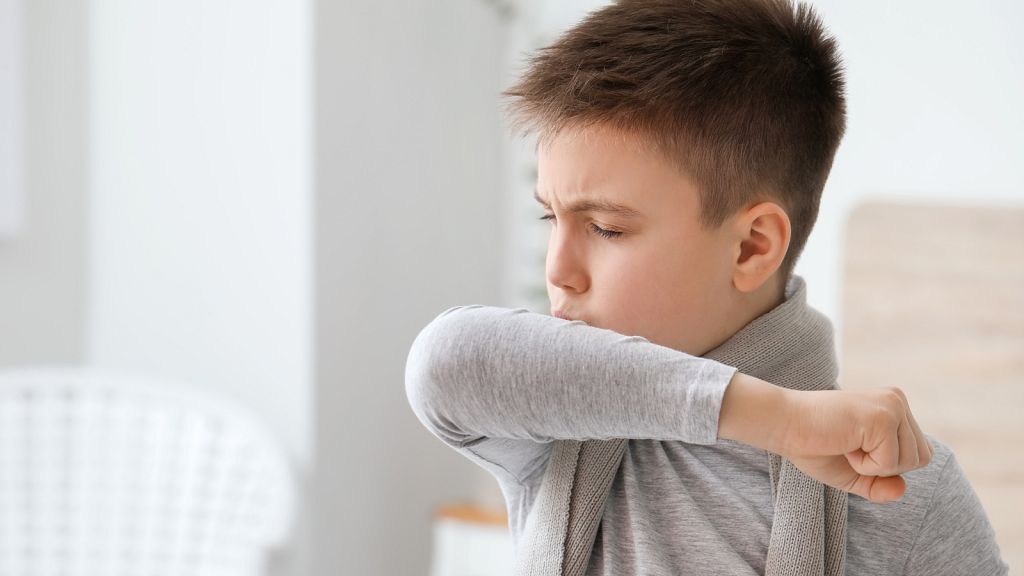
Walking pneumonia is spread through droplets (for example, when an infected person breathes, sings, coughs, or sneezes near you). An individual with walking pneumonia is typically contagious for 2 to 4 weeks before symptoms appear and until symptoms end. Be sure to encourage good hand hygiene, coughing/sneezing into the elbow, and staying home when sick. Consider a mask with travel or unavoidable social situations, especially when around babies, the elderly, or those who are immunocompromised.
Stay well!
Sources:
Mycoplasma pneumoniae Infection: Causes and How It Spreads | M. pneumoniae | CDC
Walking Pneumonia: What Is It, Causes, Symptoms & Treatment (clevelandclinic.org)
 From the Triage Desk
Leave a comment