
If you have a child who is suffering from constipation, you know how frustrating it can be. As parents, we want to make our kids feel better immediately – but this type of discomfort doesn’t always come with an easy fix. By understanding what causes constipation, how best to prevent it, and what remedies are used to relieve it, you can help your child navigate one of life’s less pleasant experiences.
What Causes Constipation?

In children, the most common causes of constipation include insufficient fiber intake, lack of physical activity, changes to diet and schedule, and toilet training. At times, there may be a medical reason at the root cause of digestive issues, so if you find that the issue is persistent, or if the constipation is accompanied by fever, blood in the stool, or severe abdominal pain, you should let your child’s pediatrician know right away.
How To Prevent Constipation
The first step in preventing constipation is to ensure that your child is eating a balanced, fiber-rich diet. Incorporating fruits, vegetables, whole grain cereals and breads, and beans while limiting processed foods is a great place to start. Encourage water intake and regular physical activity. If you have a child who is potty training, be sure to take them to the bathroom on a regular schedule. Often times, children who are learning to potty train may withhold stool at first out of fear or, as they get older, because they are at school and don’t feel comfortable.

How Do I Know If My Child Is Constipated?
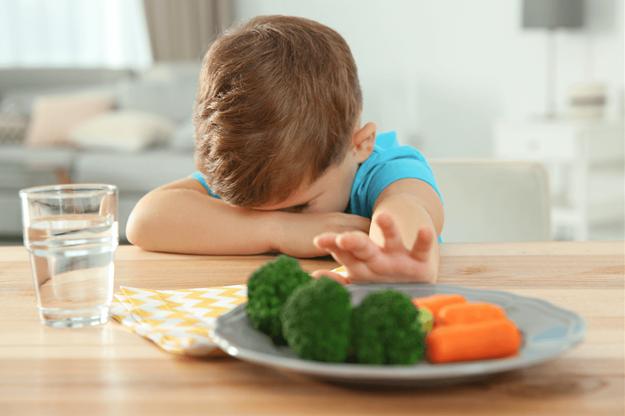
If your child is taking longer than usual to stool or is complaining of pain, they may be constipated. In babies (especially those who have just started solids), you may notice that they are fussier than normal or not as interested in eating. Sometimes children will have a decreased appetite when they are constipated because they feel full or bloated. Stool that does pass will often appear hard and circular.
How Do I Help My Child Relieve Their Constipation?
To relieve constipation, it’s always best to start with natural remedies. These include incorporating more of the P fruits (peaches, pears, plums, prunes), increasing fluid intake, encouraging more physical activity, or having your child soak in a warm bathtub to relax their muscles. If those strategies aren’t helping, your child’s doctor may suggest an over-the-counter remedy. Always check with a provider before administering a new medication.
And as always, if you have any questions or concerns, please feel free to give us a call!
 From the Triage Desk
Leave a comment