
If you have been following the news, you are likely aware that measles cases are on the rise in the United States. The CDC reports that as of April 24th, 2025, there have been 884 confirmed cases within 30 jurisdictions. This is a staggering number, up from a total of 58 cases in all of 2023 and 285 cases in all of 2024.
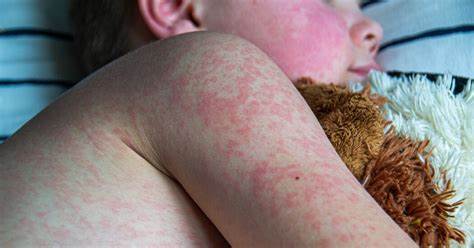
Measles is a highly contagious viral illness that causes flu-like symptoms and a red rash. The rash typically appears on the face first and spreads down the body from there. Individuals are contagious for approximately four days prior to symptoms appearing. It is an airborne disease, meaning it is spread through talking, sneezing, coughing, or direct contact with an infected individual or surface. The virus can linger in the air for up to two hours after an infected person has been present.
The number one way to prevent your child from contracting measles is to have them receive the MMR vaccine. The vaccine is safe and effective. Children who do experience side effects from the vaccine typically present with a low-grade fever or mild fatigue and on occasion may develop a rash 7-10 days after the vaccine is administered. In our office, the two-dose series is administered at the twelve- month well visit and four-year well visit.
While there is some discussion circulating that certain supplements may prevent measles, it is important to understand the difference between prevention and adjunct support of a disease or complication. For example, vitamin A does not prevent measles. In some cases, when a child has contracted measles and thus becomes vitamin A deficient (a side effect of the virus), doctors will offer the supplement to avoid further complication of said deficiency. The danger in taking vitamin A preventively when not necessary or under the supervision of a doctor is that too much vitamin A is toxic and can cause headaches, vomiting, joint pain, and blurry vision. It can also lead to increased pressure in the skull and liver damage.
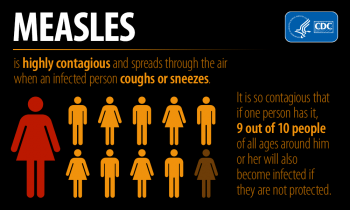
Another dangerous position on the virus is that it’s “not that dangerous” and that most people will be just fine if they contract it. While it is true that some individuals will heal naturally from the measles without complication, there are also many who won’t. One in five unvaccinated individuals who contract measles will end up hospitalized. Many will suffer from secondary infections like pneumonia. Some will even endure brain swelling (encephalitis), nervous system involvement, or death. Furthermore, those who can’t be vaccinated or who are at greater risk (infants, pregnant women, older adults, and immunocompromised individuals) rely heavily on herd immunity to stay safe. This means that approximately 95% of the population needs to be fully vaccinated.
We have been fortunate in the United States to have access to the MMR vaccine for over 50 years now. Because of vaccination efforts and availability, the measles virus was at one point considered eliminated in our country. However, the number of cases we have seen so far in 2025 is the second highest case count we have seen in 25 years. It is important that we do not become complacent, or we will continue to see these numbers rise.
If you have questions for your child’s pediatrician about their eligibility for the vaccine, upcoming travel, or a known exposure, please reach out. We encourage you to come to us with your concerns and will always work to support our families and their unique sets of needs.
Sources:
Measles Cases and Outbreaks | Measles (Rubeola) | CDC
Measles Vaccination | Measles (Rubeola) | CDC
Measles: Rash, Causes, Symptoms, Treatment & Prevention
Can vitamin A prevent or cure measles? – HealthyChildren.org
Measles Update — United States, January 1–April 17, 2025 | MMWR
 From the Triage Desk
Leave a comment