
It’s that time of year when many of our children are spending entire days outdoors – at camp, at the beach or lake, running around the neighborhood with friends, etc. While we all know the importance of encouraging water and applying sunscreen, there are times when the heat can take a serious – and unexpected – toll.
What is Heat Exhaustion?
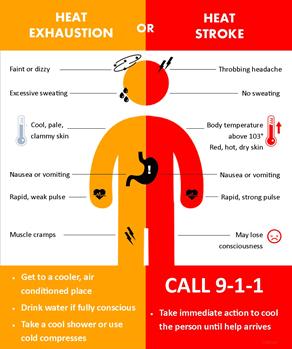
Besides your standard sunburn and dehydration, heat exhaustion is one of the more serious side effects of exposure to intense sun and heat. Signs and symptoms can include:
Excessive sweating
Dizziness/fainting
Nausea/vomiting
Muscle cramps
Rapid/weak pulse
Headache
Body temperature between 101-103 degrees Fahrenheit
If your child has been outdoors and starts experiencing any of these symptoms, it is best to get them to a cool location out of the sun and provide them with water to drink immediately. Cold compresses behind the neck, under the armpits, and in the groin area will help to bring down the core body temperature. Rest and nourishment with a small protein rich snack or a Pedialyte pop can be beneficial as well.
When Heat Exhaustion Turns to Heat Stroke
Left untreated, heat exhaustion can quickly become heat stroke which is the most dangerous of all heat related illnesses. Signs and symptoms of heat stroke can include:
Dry, red skin
Inability to sweat
Nausea/vomiting
Possible loss of consciousness
Rapid, strong pulse
Dizziness/fainting
Seizures
Slurred speech
Hallucinations
Confusion, aggression, agitation
Body temperature above 103 degrees Fahrenheit
Heat stroke is a medical emergency. If your child (or anyone around you) is experiencing the symptoms above, call 911 immediately. Move them to a cool location and apply cold cloths to the neck, armpits, and groin immediately. Get them in a cold bath if tolerated and safe. Do NOT give them any fluids to drink.
Who Is Most at Risk for Heat Exhaustion and Heat Stroke?
Babies, the elderly, and people with medical conditions like asthma, heart conditions, and kidney disease are at the highest risk of heat exhaustion and heat stroke.
How to Prevent Heat Related Illnesses
When temperatures are high, be sure to take frequent breaks for water and rest in a shaded area. Dress in light, cool clothing and apply sunscreen throughout the day. Eat nutritious foods and avoid sugary drinks and caffeine. Never leave a child in a hot car. Try to schedule exercise and outdoor activities for early morning or late afternoon/early evening hours (avoid the peak hours of 10-2). And remember, infants under 6 months of age should NOT be given water – formula and breast milk are appropriate for proper hydration.
Still have questions? Reach out anytime! We are always here to help.
Sources:
Heat Stroke vs. Heat Exhaustion: Key Differences
Extreme Heat: Tips to Keep Kids Safe When Temperatures Soar – HealthyChildren.org
 From the Triage Desk
Leave a comment