
If your child was diagnosed with influenza or “the flu” earlier this season, there is a good chance that they had flu A. But at this point in the year, we begin to see a rise in cases of flu B. While similar in many ways, there are actually a few key differences to note.
Children diagnosed with flu A or B typically present with symptoms such as fever, body aches, fatigue, chills, sore throat, cough, and runny nose. With flu A we often see higher fevers as well as ear infections and secondary infections like pneumonia, while with flu B, there tends to be higher incidence of gastrointestinal symptoms like vomiting and diarrhea.

Flu A is more prevalent than flu B – approximately 75% of flu cases are diagnosed as flu A and 25% as flu B in a season, but statistics from late 2024 showed an estimated 96% of cases as flu A. The main reason is that flu A can spread amongst both humans and animals and can mutate rapidly, allowing it to move quickly between hosts. Flu B affects humans only and mutates slowly, making it less likely to cause widespread pandemics. Because of its slower mutation and movement, we also tend to see flu B later in the season with more predictability (typically around Feb/March and into April as its peak).
Though flu A tends to be more severe in nature, flu B can still be dangerous, especially in young children, the elderly, and those who are immunocompromised. The best prevention against both types of flu is to get your flu vaccine at the beginning of the season (but if you haven’t yet, it’s not too late!) and to practice excellent hand hygiene. Transmission occurs when an infected individual coughs, sneezes, or talks but droplets that land on surfaces can spread the virus via contact as well.
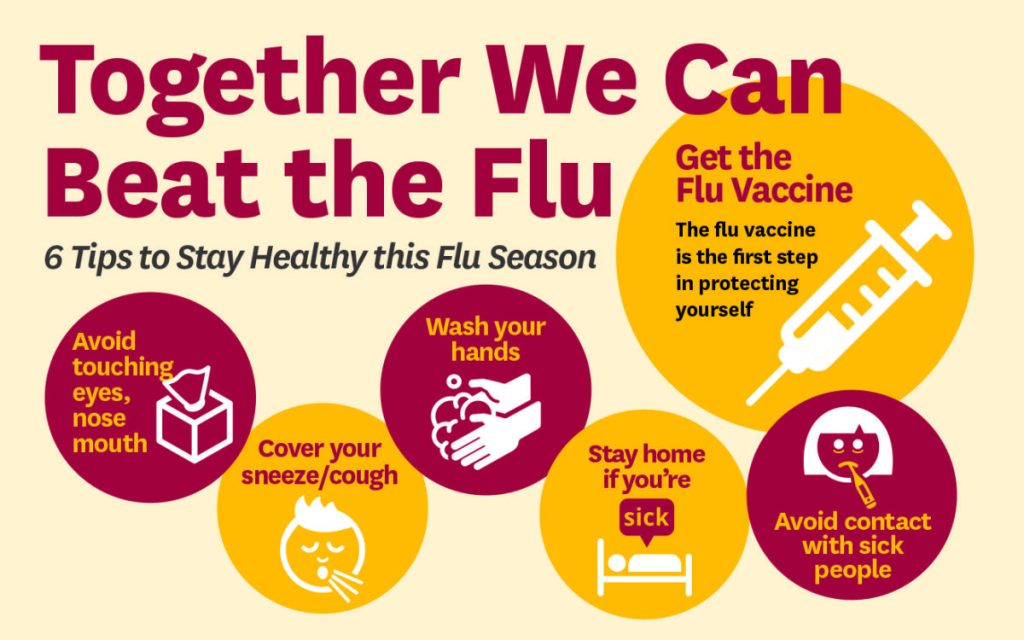
If you are ill or know that a friend or family member you are going to visit is ill, it is best to stay home or to mask if staying home isn’t an option. And while many of the remedies that we recommend for flu are home-based (pushing fluids, rest, cool mist humidifiers, fever-reducing medications, etc.), it is best to contact your doctor with concerns if you believe you or child have (or have been exposed to) the flu. There are, in certain cases, a place for antiviral medications.
As always, if you have questions, please reach out! Stay healthy!
Sources:
https://health.clevelandclinic.org/flu-a-vs-flu-b
https://medicalxpress.com/news/2025-11-qa-flu-hardest-fall-winter.html
 From the Triage Desk
Leave a comment