
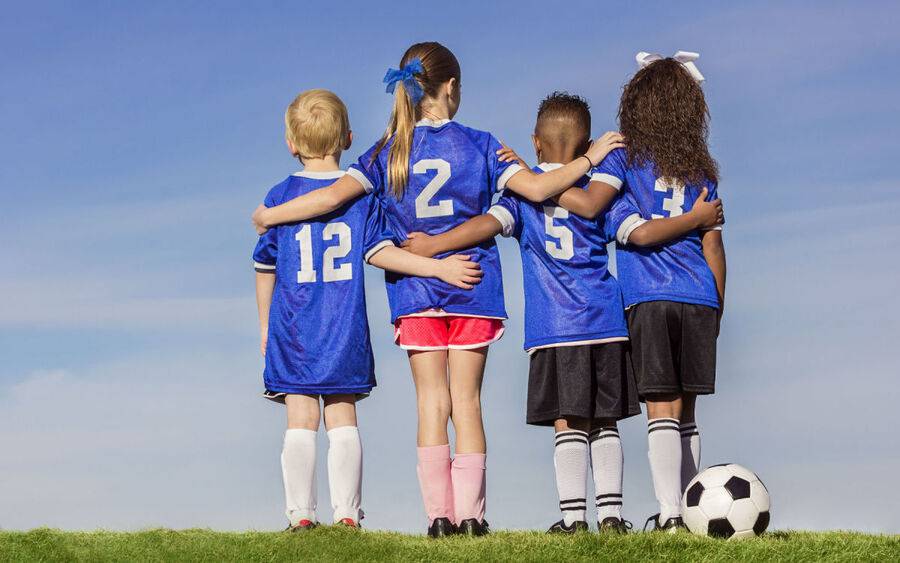
April is Youth Sports Safety Month. If you have a child playing sports in 2026, you know that the intensity level has increased significantly since many of us were children. Practice is more frequent and longer, travel is often required, and games are more aggressive from a much younger age. As we watch the landscape of youth sports shift, it is important to remain vigilant when it comes to the safety of our children and their developing bodies.
Encourage Hydration:
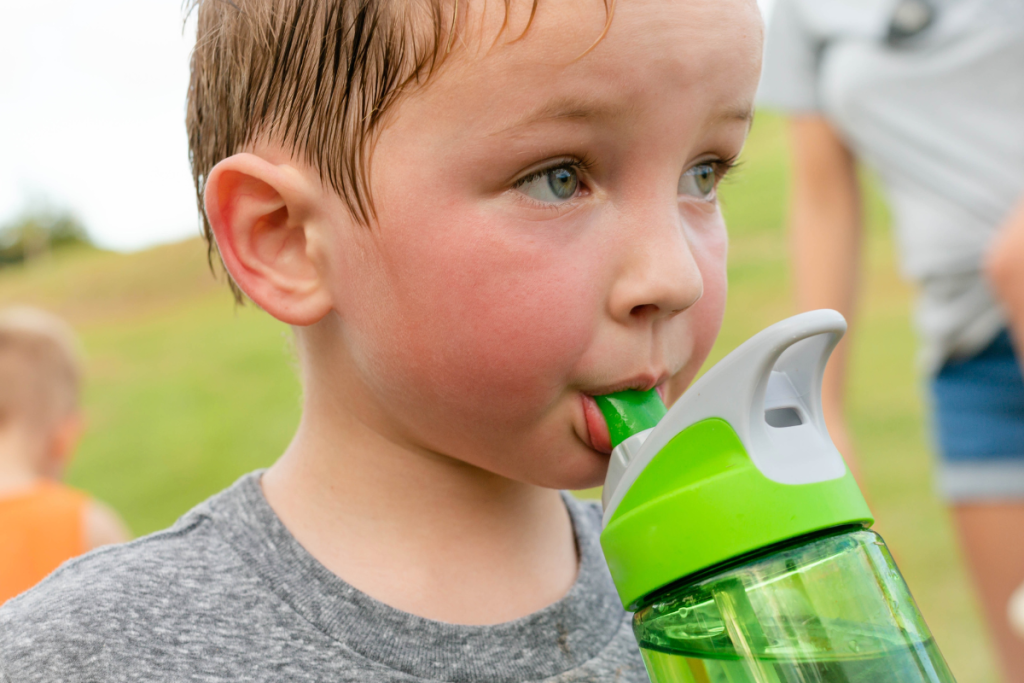
Athletes should be given frequent water breaks during practice and games, especially when playing in the heat. Even if a player says they are not thirsty, encourage them to take a break and a few sips of water and remind them of the importance of proper hydration. Not all young athletes know how to regulate this on their own.
Encourage Warmups, Cool Downs, and Rest:
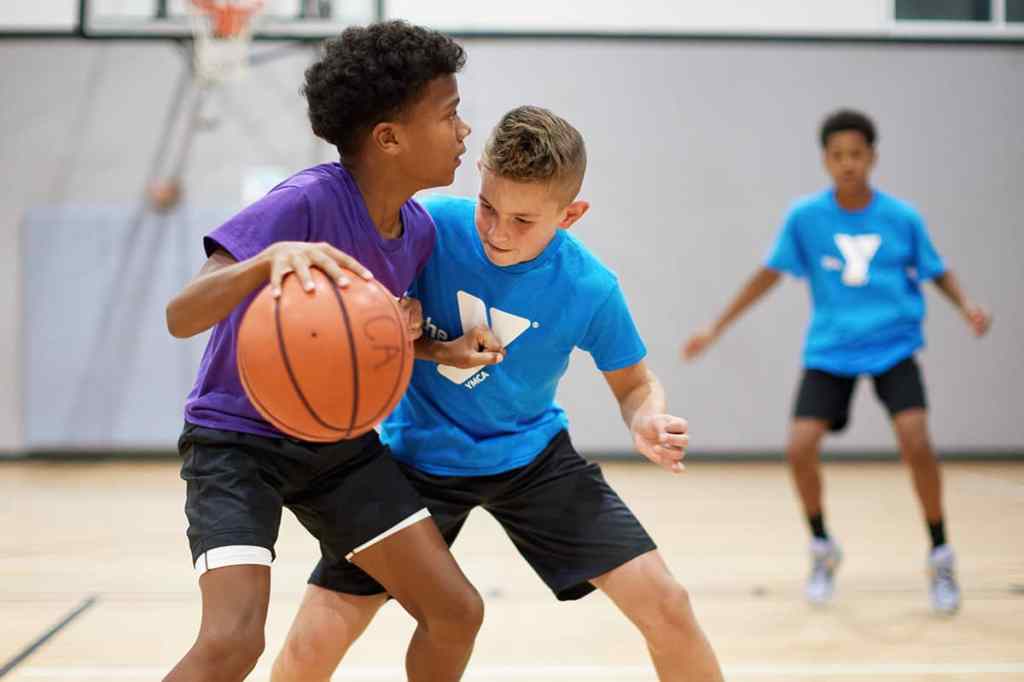
All practices and games should start with warmups and end with a cool down. Muscles need to be treated properly, even in rough and tumble children who can run all day. Teach them the proper technique for stretching and ensure all players are participating. If you have a star player on the 3rd grade basketball team, that is fantastic, but that child still needs a rest on the bench now and again. Don’t keep one child in for a whole game without a break just to win even if they tell you they don’t mind.
Take Pain Seriously:
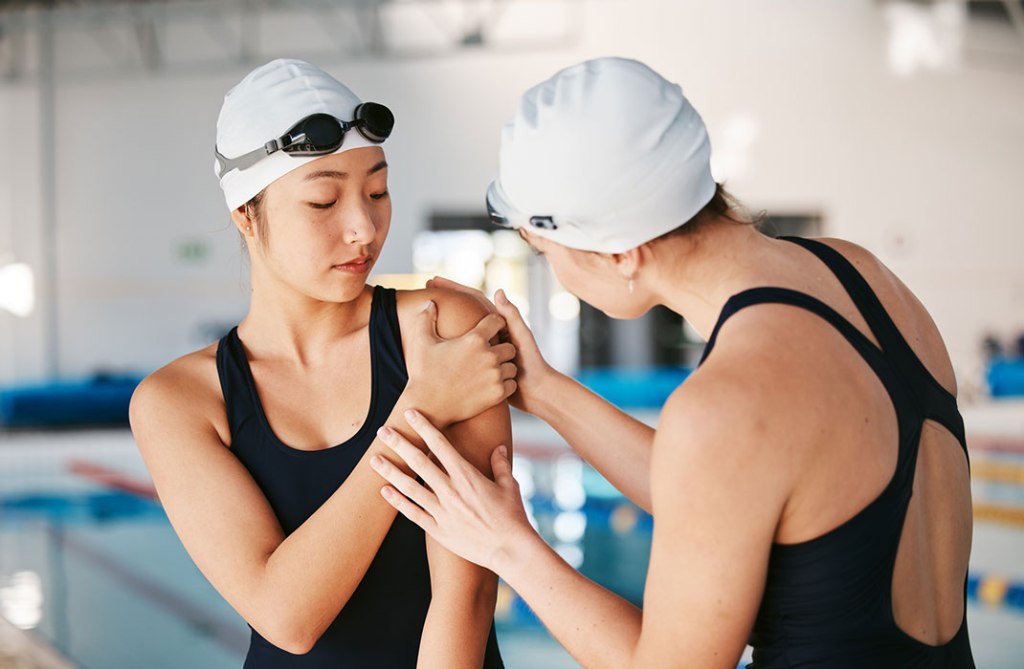
Help your child learn how to identify and manage pain and injuries. There can be a “tough it out” mentality in sports where a child refuses to admit that something hurts because they don’t want to disappoint their team, but some injuries can be quite serious if not handled appropriately. Teach your athlete that while honorable to want to play through the pain, it’s OK to let a coach or parent know when you can’t just “shake off” something that happened to your knee in quarter two.
Head Injuries and Concussions Need to Be Evaluated:

Your child takes a header during the soccer game. Hits their head on the balance beam at a gymnastics meet. Takes a bad fall on the ice at hockey practice. The coach or trainer should have a baseline understanding of concussion assessments and protocol and you, as the parent, need to be sure to follow up with your child’s pediatrician for next steps. If they lost consciousness when they fell, have a lingering headache or nausea, vision changes, or vomited after the injury, they need medical attention. A healthcare provider will be able to assess your child and help establish a concussion protocol for them, including how to safely return to school and physical activity. Adhering to these guidelines will make their recovery much faster and more pleasant than if they attempt to keep going as if nothing had happened.
Document Everything on Medical Forms:
There are often many forms to fill out for sports involvement, but take the time and fill them out completely and accurately. Make sure your child has that extra inhaler or epi pen for the coach to keep on the sidelines if necessary. List emergency contacts and their doctor/hospital of choice. Give detailed information about their medical history, allergies, or any other information that may be important should anything happen to them when you aren’t there. In emergencies, time and a complete history can make a world of difference in outcomes.
And remember… your child’s mental health matters more than the game. If at any point you notice that the stress or pressure of a sport has taken the place of joy and fun, it’s time to reevaluate. When children are young, the best indicator of their continuation with a sport is their love of the game. Skills and a competitive edge take time to develop, but the passion to play and a heart for the sport can start young with the right coaching styles and a nurturing environment.
 From the Triage Desk
Leave a comment